DWELLPAC designs custom pulp molds and molded pulp tooling for egg trays, egg cartons, pulp tableware, cup lids, and industrial molded fiber packaging. A pulp mold is not only a machined shape. It affects drainage, wall thickness, demolding, stacking height, product strength, surface quality, and whether the mold can work smoothly on the buyer's forming machine, hot press, trimming, labeling, laminating, or packing process.
This video explains the practical mold standards behind stable pulp molding production, including product fit, machine fit, and the mold details that affect final product quality.
The same pulp molding tooling logic must be adjusted for different products. Egg trays need stable drainage and stack control. Tableware needs surface quality and hot press matching. Cup lids need rim accuracy and fit control. Industrial molded pulp packaging needs protective structure and product positioning.
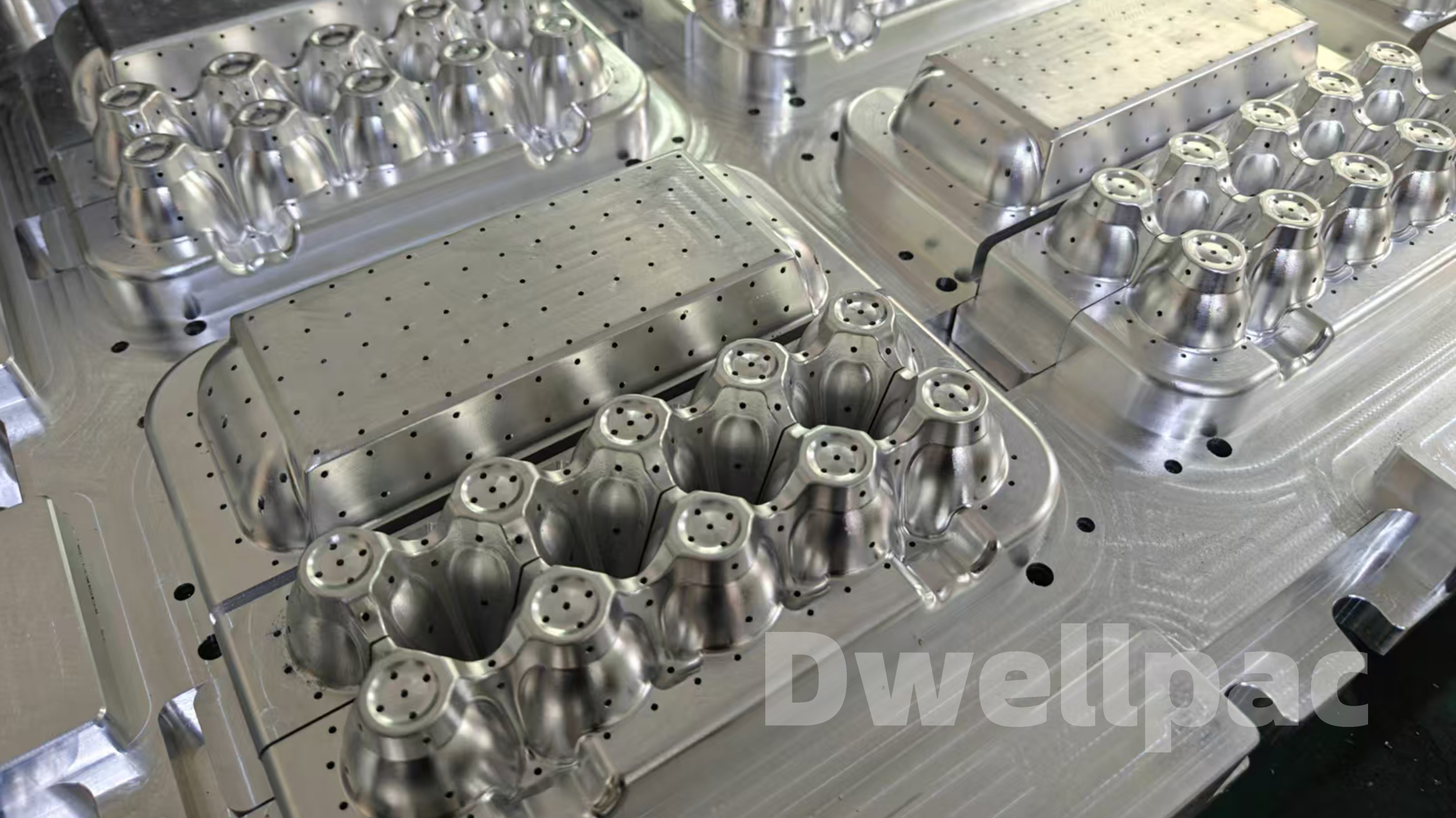
For egg tray mold and egg carton mold projects, DWELLPAC checks cavity layout, drainage speed, demolding angle, stack height, egg count format, product strength, and compatibility with the buyer's pulp molding machine.
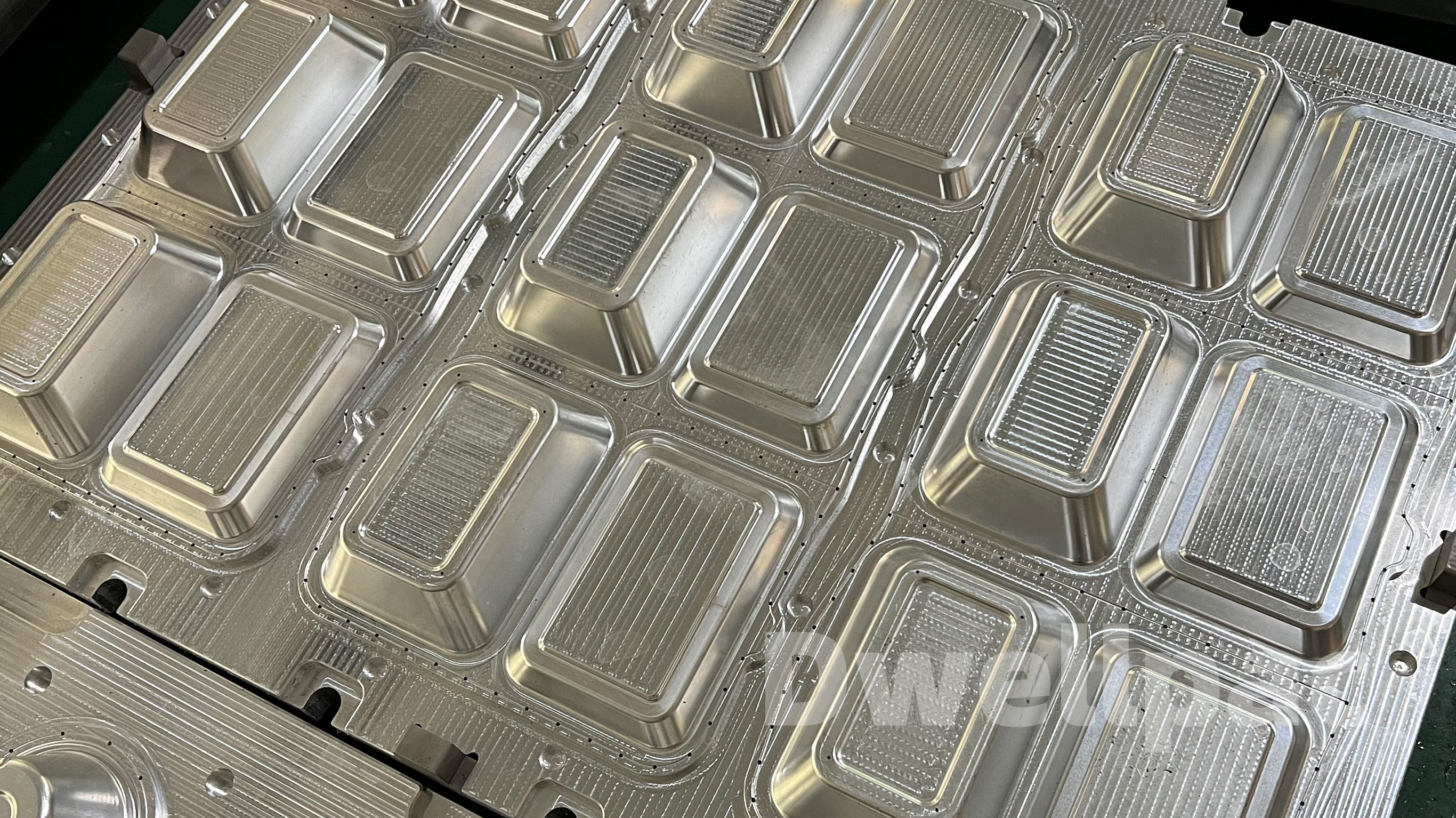
Pulp tableware mold projects for bagasse plates, bowls, trays, clamshells, and cutlery usually need forming mold and hot press tooling coordination for surface quality, edge control, stacking, trimming, and final product appearance.
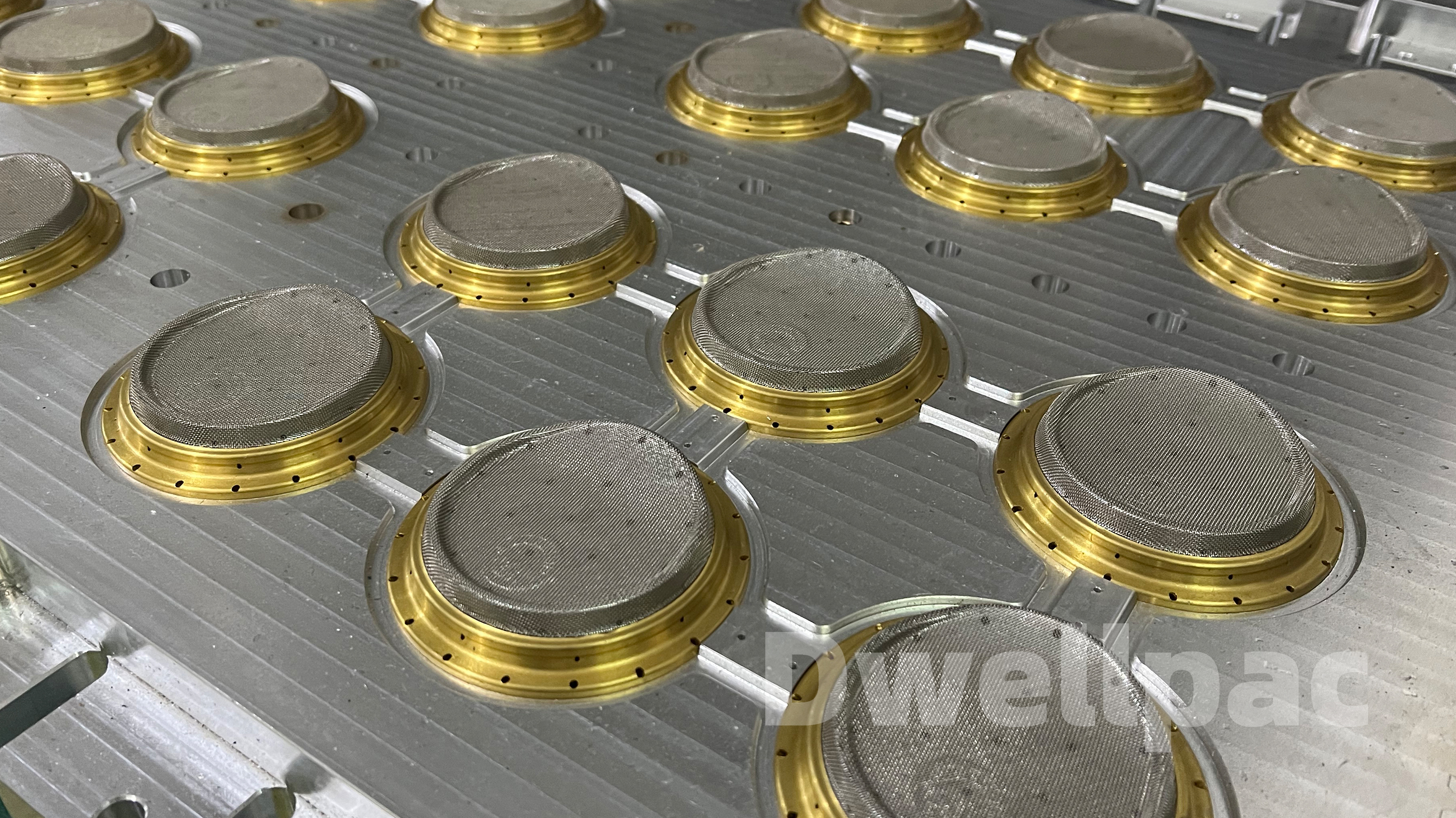
Pulp cup lid mold design needs careful rim control, lid fit, sealing area, hot press surface, and repeatability. It is also relevant for leak-resistant molded pulp lids and selected food packaging parts.

Industrial molded pulp packaging mold projects focus on cushioning, positioning, load support, wall thickness, protected-product fit, and reliable release. They are used for electronics, tools, hardware, and custom molded pulp inserts.
Many molded pulp production problems are decided before machining starts. A mold that looks correct in shape can still create slow drainage, hard demolding, high stacking height, weak edges, unstable separation, or mismatch with the installed machine.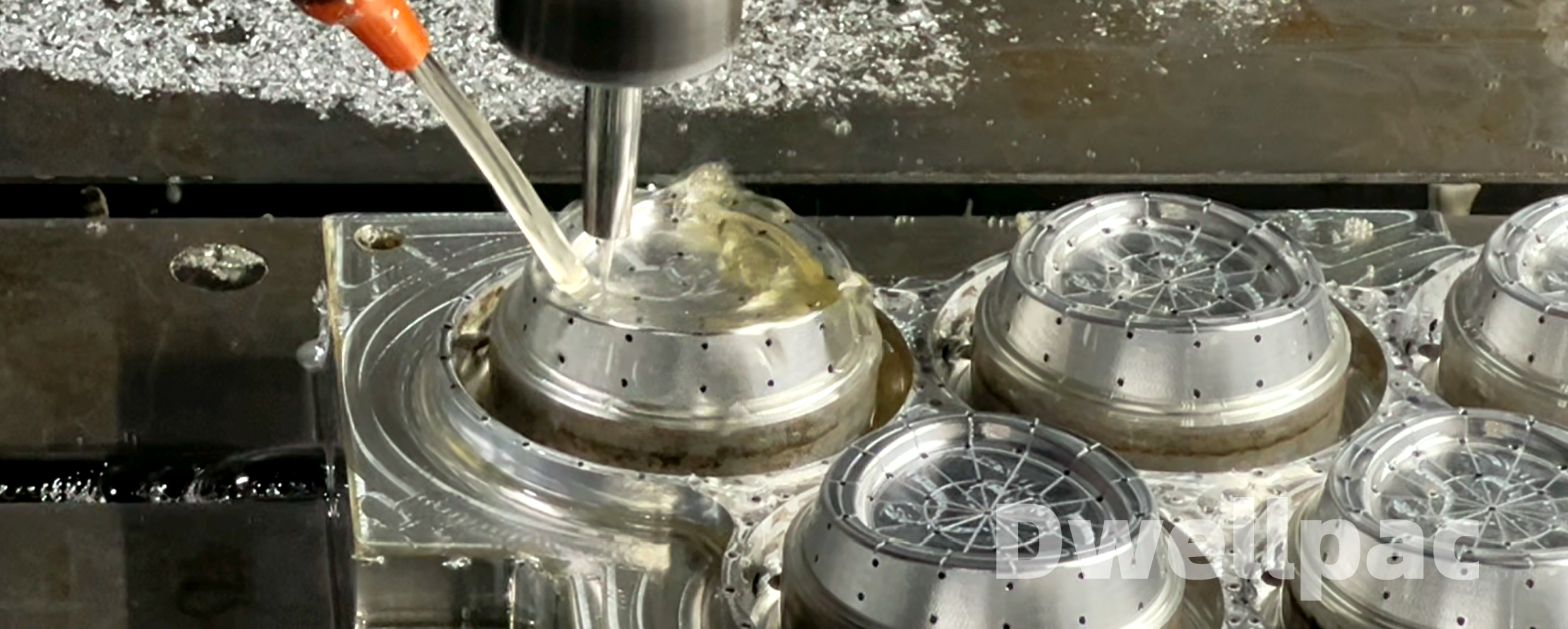
Good molded pulp mold design should connect the product drawing with the actual machine and process route. The details below are often where stable production is won or lost.
| Design factor | Why it matters | Typical review point |
|---|---|---|
| Cavity layout | Affects output, forming balance, product thickness, and whether the mold fits the machine platform. | Product size, forming area, target output, and cavity quantity. |
| Drainage path | Controls forming speed, moisture removal, fiber distribution, and surface consistency. | Hole arrangement, mesh area, slurry behavior, and vacuum condition. |
| Demolding structure | Reduces release difficulty, edge damage, deformation, and downtime during production. | Draft angle, undercut risk, transfer route, and product depth. |
| Stacking and separation | Decides packing density, manual handling, automatic feeding, and buyer use experience. | Stack height, nesting distance, rib design, and separation force. |
| Hot press matching | Important for tableware, cup lids, cartons, and products that need better surface or shape control. | Forming mold, transfer mold, hot press mold, temperature, pressure, and final shape requirement. |
| Machine mounting fit | Prevents installation mismatch when buyers need molds for existing pulp molding machines. | Machine model, plate size, mounting holes, vacuum ports, transfer system, and tooling interface. |
Pulp molding mold cost should be confirmed by project requirements instead of a single public price. Product size, cavity count, structure complexity, mold material, machining precision, forming and hot press tooling requirements, and test adjustment needs can all change the final quotation. In practice, molded pulp mold making moves from product review to machine check, tooling proposal, machining, and trial adjustment before stable production can be confirmed.
Pulp molding tooling is the set of molds and related tool interfaces used to form, transfer, hot press, or shape molded pulp products. It may include forming molds, transfer molds, hot press molds, and product-specific fixtures depending on the production route.
Useful information includes product drawings or sample photos, product dimensions, target material, existing machine model, forming area, required output, surface requirement, stack height target, downstream process, and current production problems if the project is an improvement job.
Yes. DWELLPAC can check mold compatibility for many pulp molding machines when the buyer provides machine model, mold plate size, mounting details, vacuum port information, transfer route, and photos or drawings of the existing tooling interface.
Mold cost depends on product size, cavity layout, mold material, machining complexity, forming and hot press tooling needs, product surface requirements, machine compatibility work, and the amount of trial or adjustment needed before stable production.
A forming mold shapes wet pulp slurry through vacuum drainage. A hot press mold applies heat and pressure after drying or semi-drying to improve surface, shape, edge definition, lid fit, or final product consistency when the product requires it.
Often, yes. Stack height and demolding are affected by draft angle, wall structure, rib design, drainage balance, product depth, surface condition, and machine transfer behavior. DWELLPAC can check these factors before confirming a mold design.
Share your product drawing, sample photo, machine model, forming area, target output, stacking requirement, material plan, surface requirement, and current production issue. DWELLPAC can confirm the custom pulp mold route and machine fit before quotation.
Related custom pulp mold products are listed below by the Ueeshop category system. Use the product entries for specific mold types, or contact DWELLPAC when your project needs machine compatibility review before mold quotation.


