


DWELLPAC designs pulp cup lid mold tooling for molded fiber lids, bagasse cup lid mold projects, molded fiber lid mold projects, and selected leak-resistant food packaging parts. A cup lid mold must control rim geometry, lid fit, edge definition, wall thickness, demolding, hot press surface, and compatibility with the buyer's pulp molding machine and hot press process.
Pulp cup lid mold projects need tighter fit review than many open food packaging products. A small change in rim geometry, thickness, or hot press result can affect lid fit, leakage risk, user experience, and repeatability in production.
For molded pulp or bagasse cup lids that need stable fit with target cup diameters and common foodservice handling.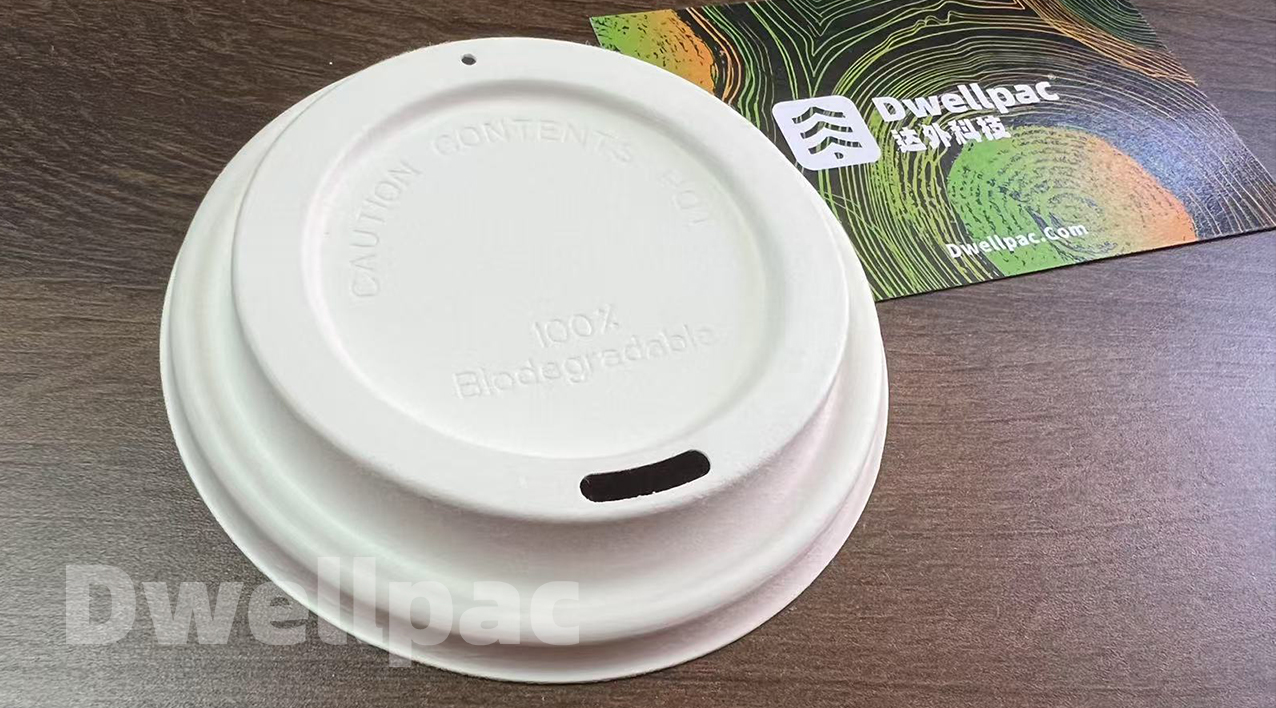
For lid projects where rim control, sealing area, thickness, and hot press result are key quality concerns.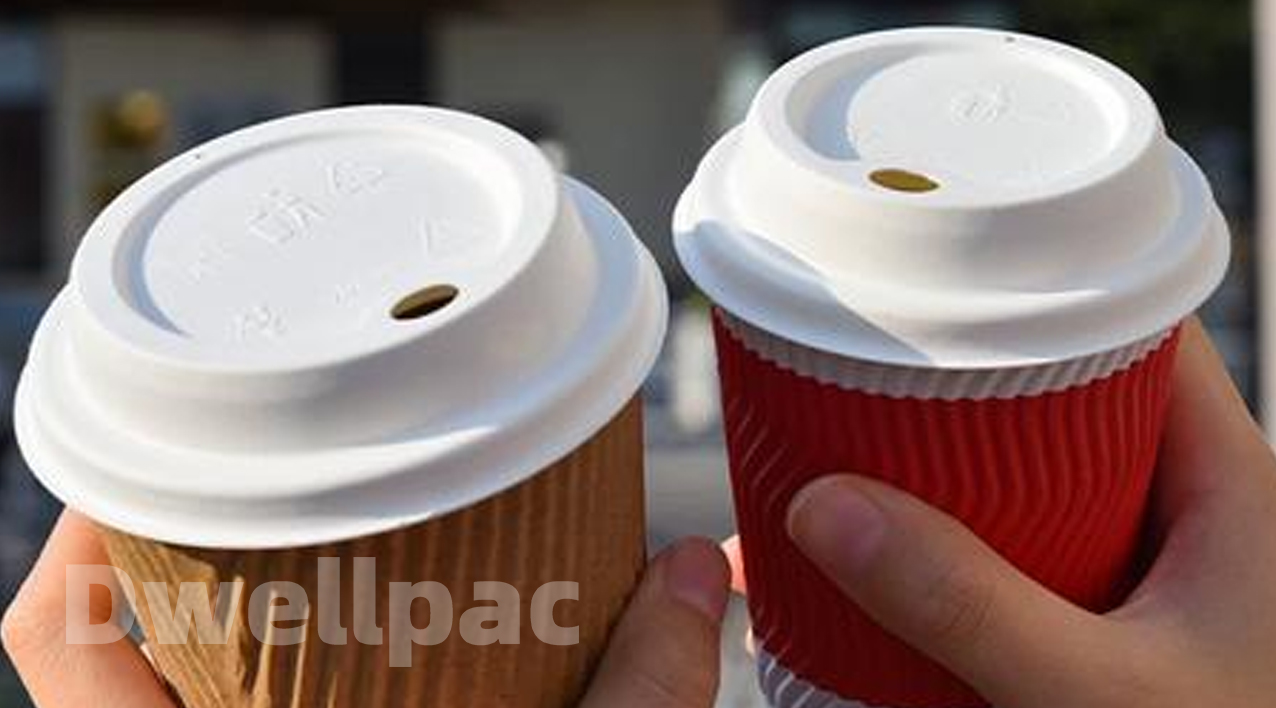
For flat, raised, sip-style, or project-specific lid profiles based on product drawing, cup sample, and market use.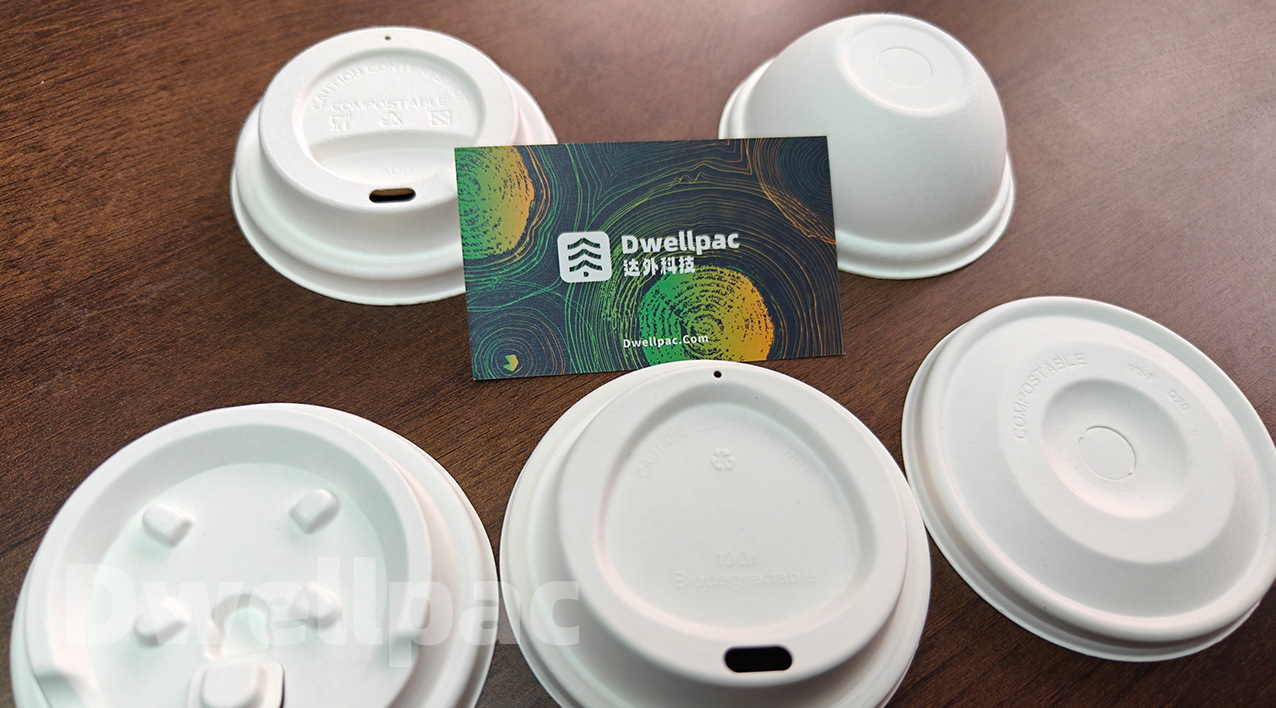
For buyers who need forming molds and hot press molds matched to an existing pulp molding production line.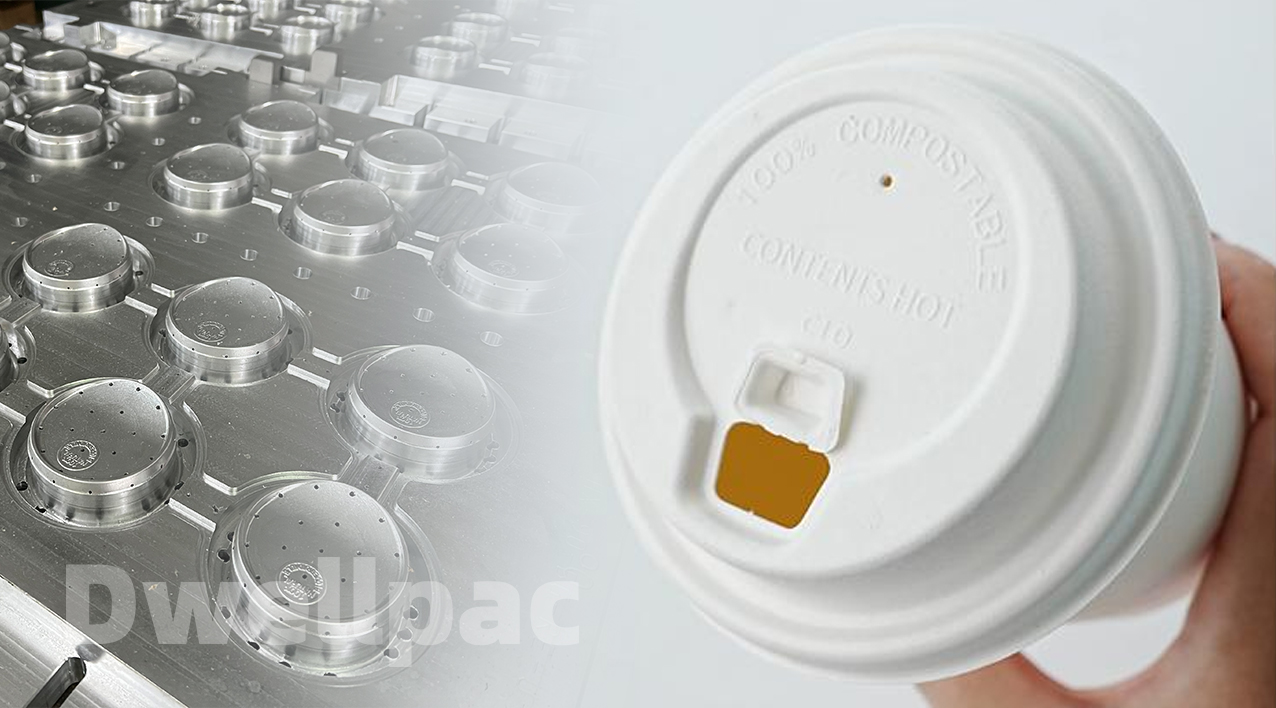
Cup lid tooling should be reviewed as a system: cup sample, lid drawing, forming mold, hot press mold, product material, machine interface, and final lid fit. If these factors are not aligned, the lid may look acceptable but fail in stacking, rim fit, surface, or repeatability.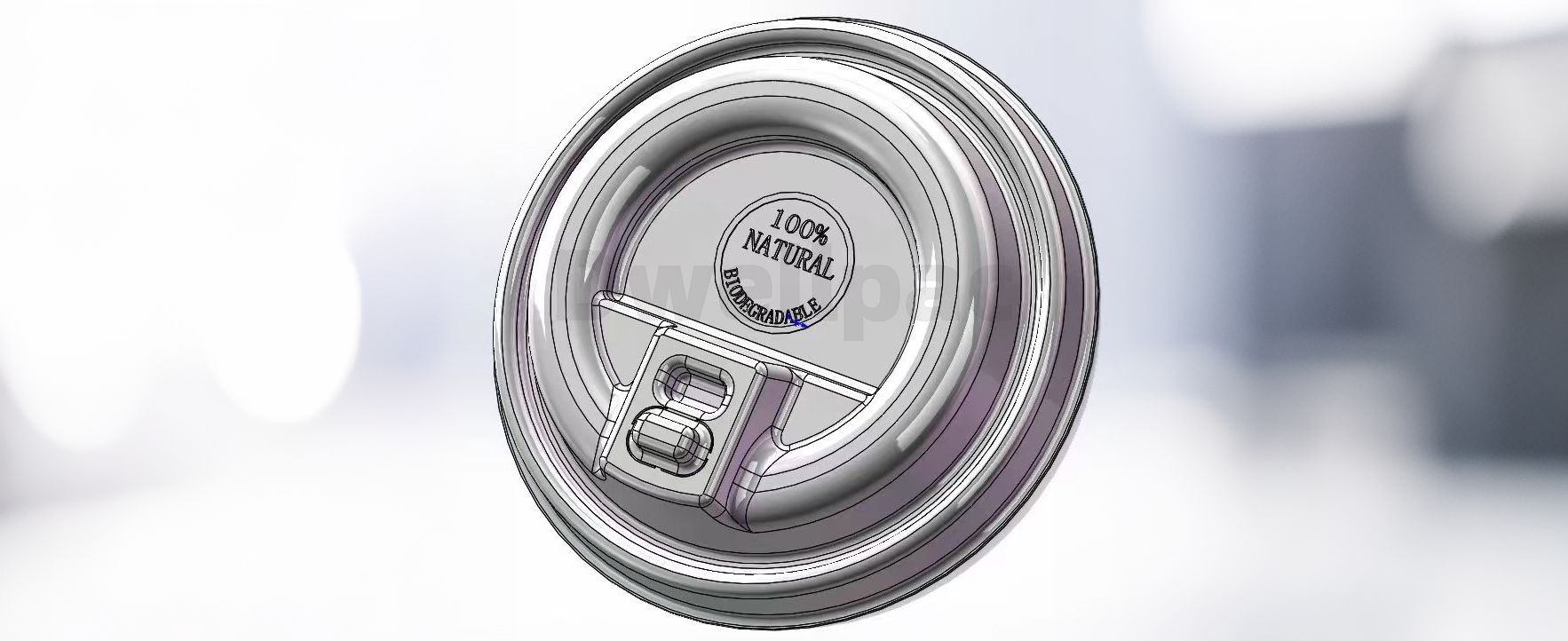
A molded pulp cup lid mold should not be evaluated only by shape. The rim and edge design must work with the cup, the material, the hot press condition, and the buyer's production process.
| Design factor | Why it matters | Information needed |
|---|---|---|
| Rim geometry | Controls lid fit, user feel, sealing area, and whether the lid matches the target cup. | Cup sample, cup diameter, lid drawing, rim profile, and tolerance target. |
| Hot press tooling | Improves surface quality, edge definition, product shape, and repeatability for lid products. | Hot press machine details, temperature and pressure route, and final surface requirement. |
| Drainage and thickness | Affects product weight, stiffness, drying behavior, and final shape stability. | Material route, slurry condition, target weight, and product thickness requirement. |
| Demolding structure | Reduces rim deformation, tearing, and product distortion during release and transfer. | Product depth, draft angle, transfer method, and existing defect photos if available. |
| Stacking and packing | Influences storage density, automatic handling, separation, and final packaging efficiency. | Stack height target, packing method, downstream process, and buyer handling requirement. |
| Machine mounting compatibility | Prevents installation mismatch when the mold is used on an existing forming or hot press machine. | Plate size, mounting points, vacuum ports, transfer system, hot press interface, and machine photos. |
For pulp cup lid mold projects, the quotation should be based on cup fit, lid geometry, forming mold requirements, hot press mold requirements, and the production line condition.
For broader molded pulp tooling support, use the mold hub. For other product types, review the related mold pages below.
Yes. DWELLPAC can review the cup sample, cup diameter, lid drawing, rim profile, and target fit before confirming the pulp cup lid mold design.
Many pulp cup lid projects need forming tooling and hot press tooling because lid fit, rim definition, surface, and final shape often depend on hot pressing after forming and drying.
Mold design can help by improving rim geometry, sealing area, edge definition, wall thickness, and hot press shape control. Actual leak resistance also depends on product design, material, cup fit, and production condition.
In many cases, yes. Please provide forming machine and hot press machine details, mold plate size, mounting information, vacuum ports, transfer route, and photos of the existing tooling interface.
Send cup samples, lid drawings or photos, cup diameter, target material, surface requirement, machine details, hot press information, stack height target, and current defect photos if this is an improvement project.
DWELLPAC can review cup fit, lid rim structure, hot press tooling, drainage, demolding, and machine compatibility before confirming the pulp cup lid mold quotation.


