


DWELLPAC designs industrial packaging mold, molded pulp protective packaging mold, molded fiber packaging mold, industrial molded pulp packaging mold, and custom molded pulp inserts for protective packaging applications. For industrial molded pulp packaging, the mold must hold the product in the right position, absorb handling stress, control wall thickness, release cleanly, and match the buyer's machine and packing method.
Search demand around power tool packaging molded pulp, tool packaging molded fiber, and custom molded pulp inserts shows a clear application need: buyers want protective packaging that replaces foam or plastic while still holding the product securely.
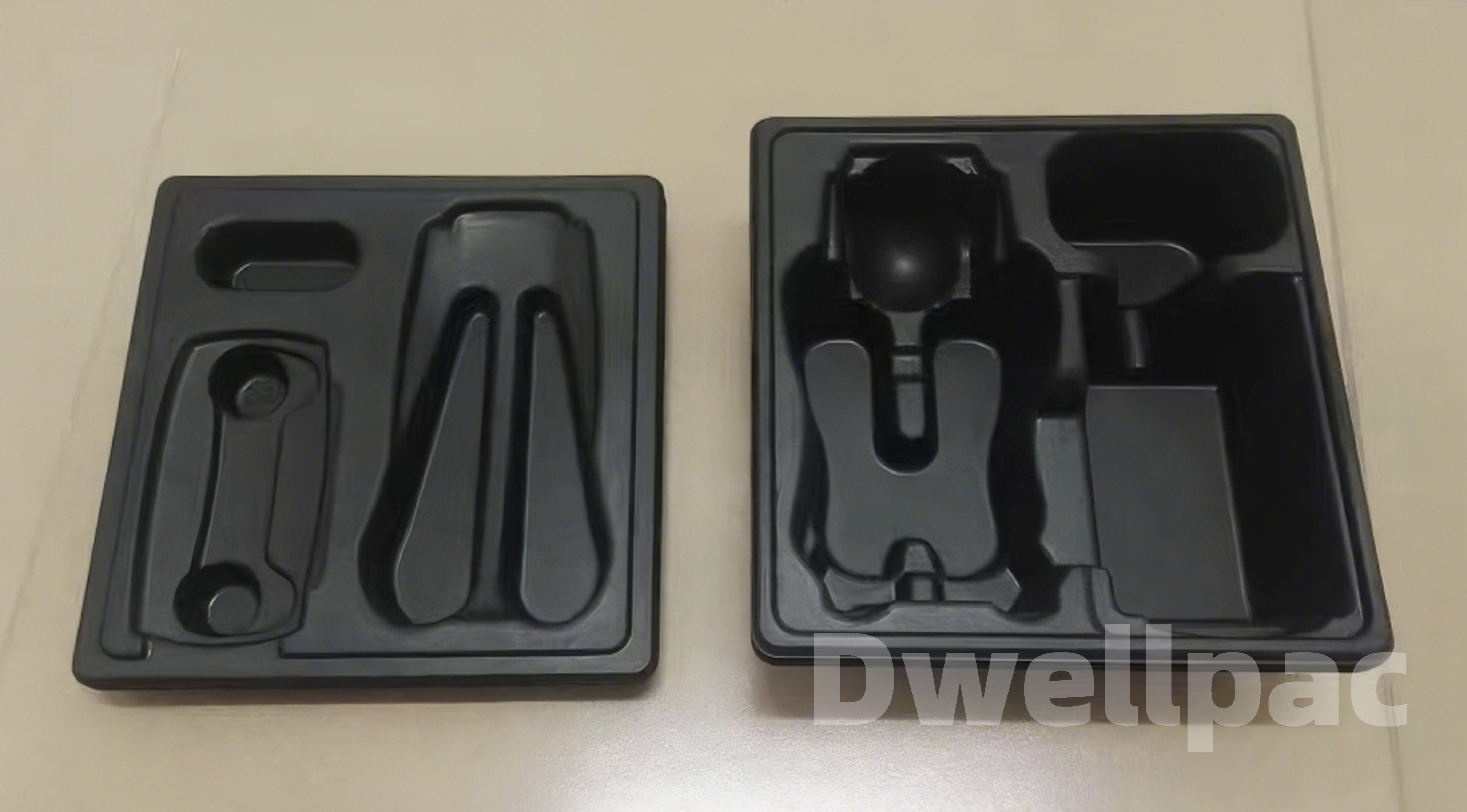
For power tool packaging molded pulp and tool packaging molded fiber projects that need product positioning, cushioning ribs, and safe handling.
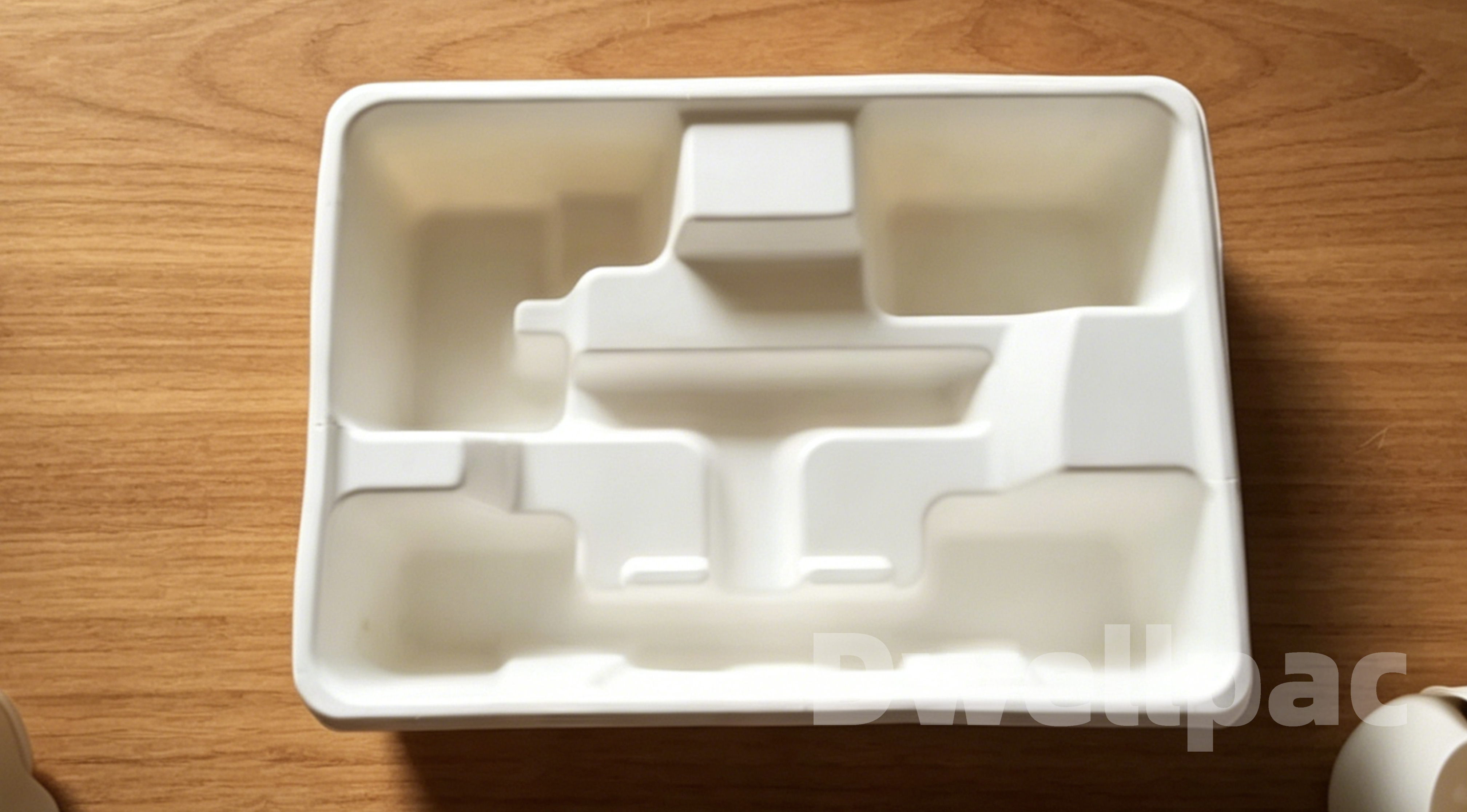
For molded pulp protective packaging mold projects where product fit, tray depth, and clean surface contact matter.
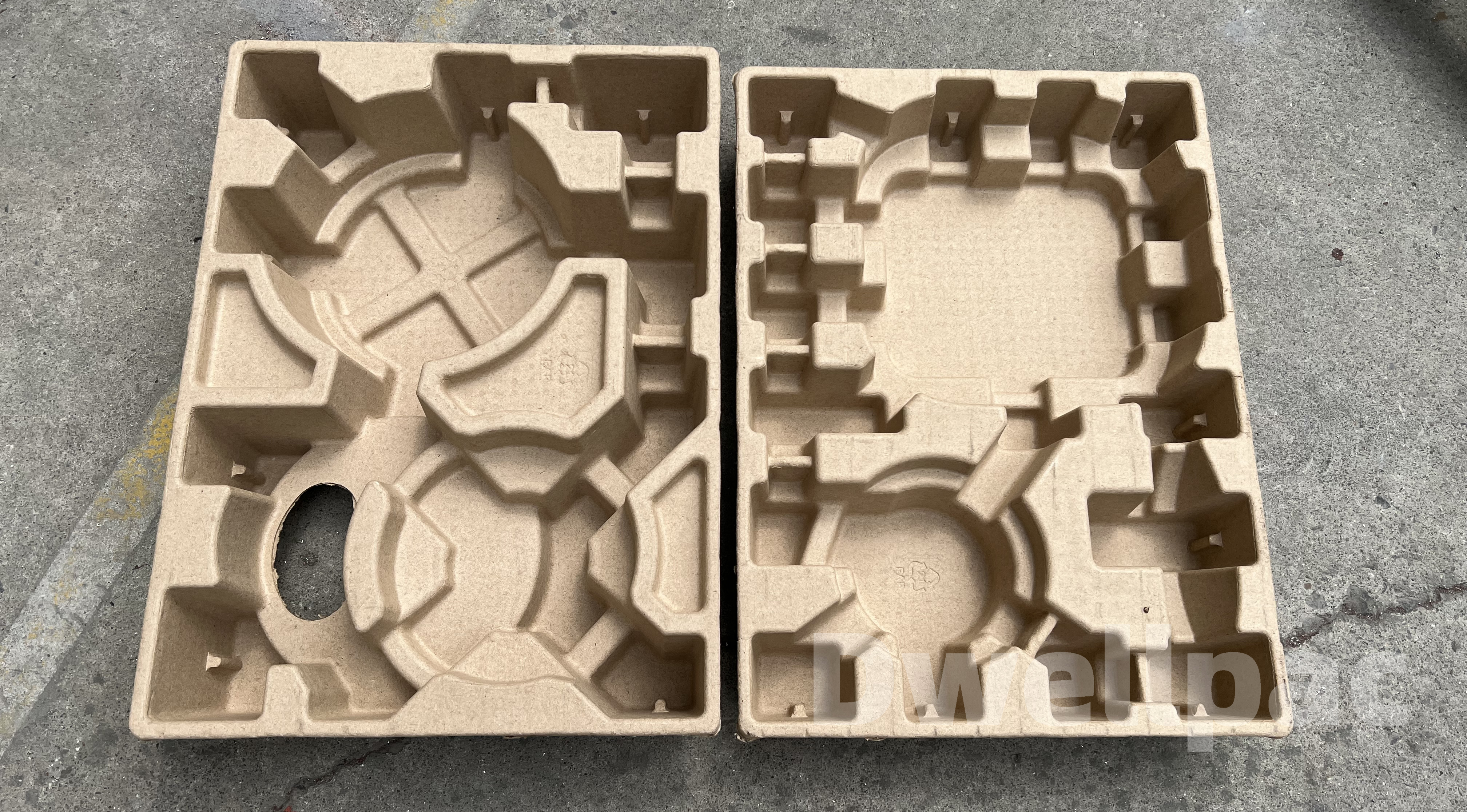
For end caps, corner supports, and inner inserts that need load support, wall thickness, and stable demolding.
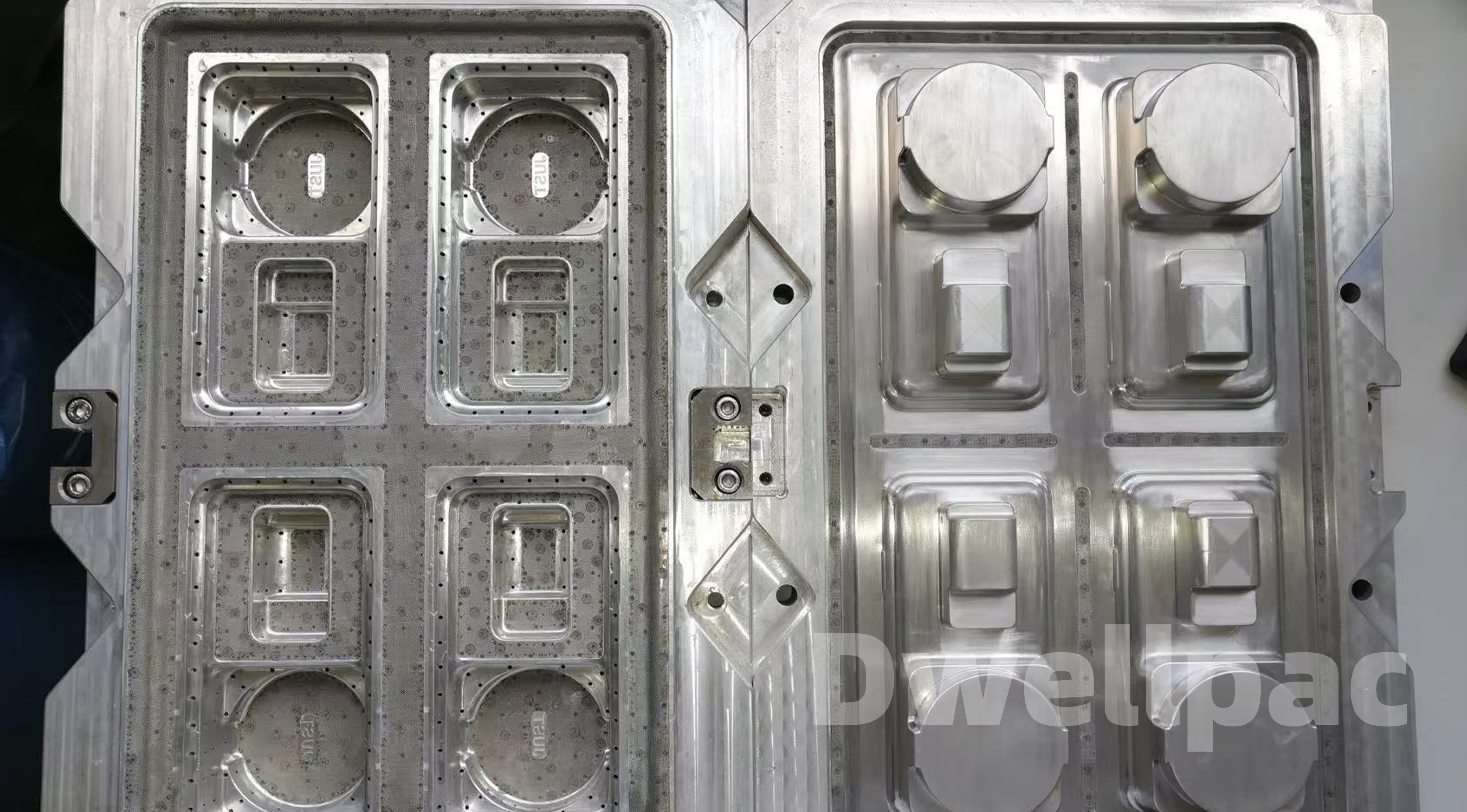
For product-specific protective packaging that needs structure review from product sample, CAD drawing, and packing layout.
Protective packaging mold design is different from tableware or egg tray tooling. The product being protected decides the support points, ribs, clearance, cushioning structure, stacking direction, and packaging layout.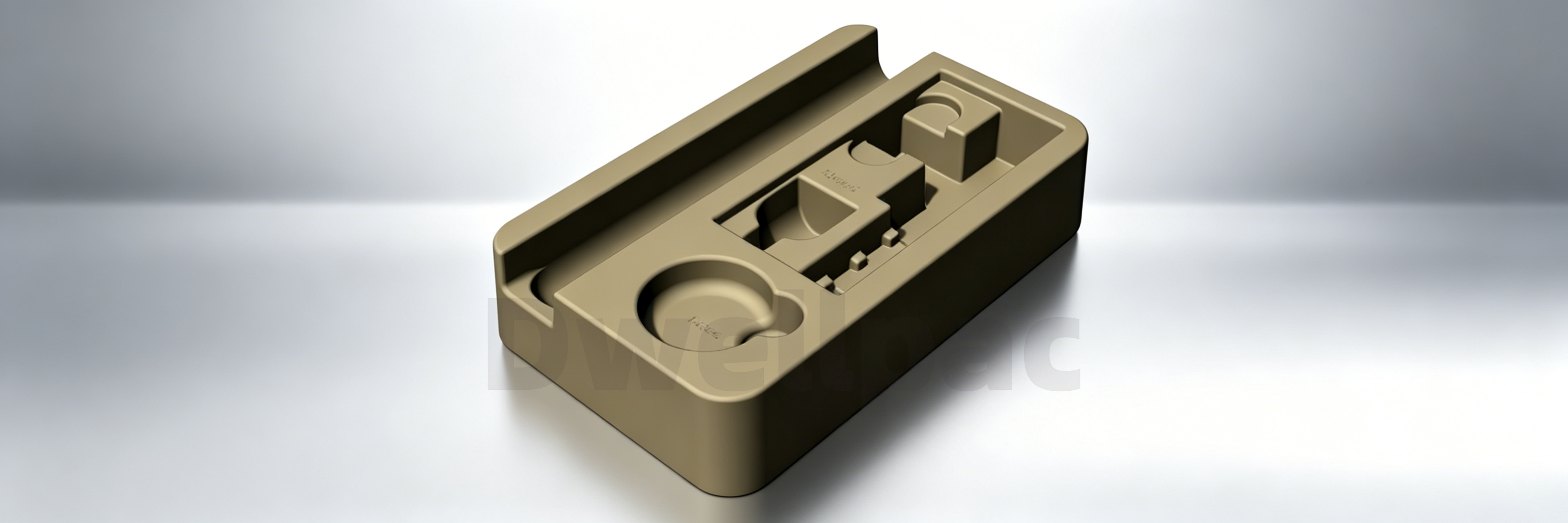
An industrial molded pulp packaging mold should be designed from the product outward. The mold has to support the product, avoid damage, form reliably, release cleanly, and fit the production equipment.
| Design factor | Why it matters | Information needed |
|---|---|---|
| Product support points | Decides where the molded pulp insert should hold weight, limit movement, and protect fragile areas. | Product sample, CAD drawing, weight, fragile zones, and handling direction. |
| Cushioning ribs and pockets | Controls protection, stiffness, material use, and whether the insert can form and release reliably. | Packing requirement, impact-prone areas, product clearance, and support target. |
| Draft angle and demolding | Reduces tearing, deformation, and release difficulty in deep or complex protective structures. | Product depth, pocket shape, undercut risk, and transfer method. |
| Drainage and wall thickness | Affects forming speed, drying condition, insert strength, and consistency across cavities. | Material route, slurry condition, thickness target, strength target, and machine vacuum condition. |
| Box and logistics fit | Ensures the molded pulp insert works with the outer carton, stacking direction, and shipping method. | Outer box size, packing layout, product orientation, stacking method, and shipping requirement. |
| Machine mounting compatibility | Prevents mismatch when the mold is used on an existing pulp molding machine. | Plate size, mounting holes, vacuum port layout, transfer system, drying route, and machine photos. |
Industrial packaging mold projects should begin with the protected product and the packing route, not only with the mold shape. DWELLPAC reviews product fit, forming feasibility, and machine compatibility before mold quotation.
For broader molded pulp tooling support, use the mold hub. For other product types, review the related mold pages below.
Yes. DWELLPAC can review product samples, CAD files, product weight, fragile areas, box layout, and machine details before confirming the molded pulp protective packaging mold design.
In many projects, molded pulp inserts can replace foam or plastic when the structure, wall thickness, support points, product clearance, and shipping requirement are properly reviewed.
Yes. Power tool packaging molded pulp and tool packaging molded fiber projects are typical industrial packaging applications, but the design should be based on the actual tool shape, weight, accessories, and outer box layout.
In many cases, yes. Please provide machine model, forming area, mold plate size, mounting details, vacuum port layout, transfer route, and photos of the existing tooling interface.
Send product samples or CAD files, product dimensions, weight, fragile areas, outer carton size, packing layout, material route, machine details, target output, and any current packaging or forming problems.
DWELLPAC can review protective insert structure, drainage, demolding, wall thickness, product fit, packing method, and machine compatibility before confirming the industrial packaging mold quotation.


