


DWELLPAC designs custom pulp tableware mold, bagasse tableware mold, molded pulp tableware mold, sugarcane bagasse tableware mold, and pulp molded tableware mold tooling for plates, bowls, trays, clamshells, and selected food packaging parts. For tableware projects, the mold must support forming, drainage, demolding, hot press surface, edge definition, stacking, trimming, and final market use.
Instead of creating thin pages for each bowl, plate, tray, or clamshell type, this page covers the main molded pulp tableware mold applications and routes buyers by product requirement.
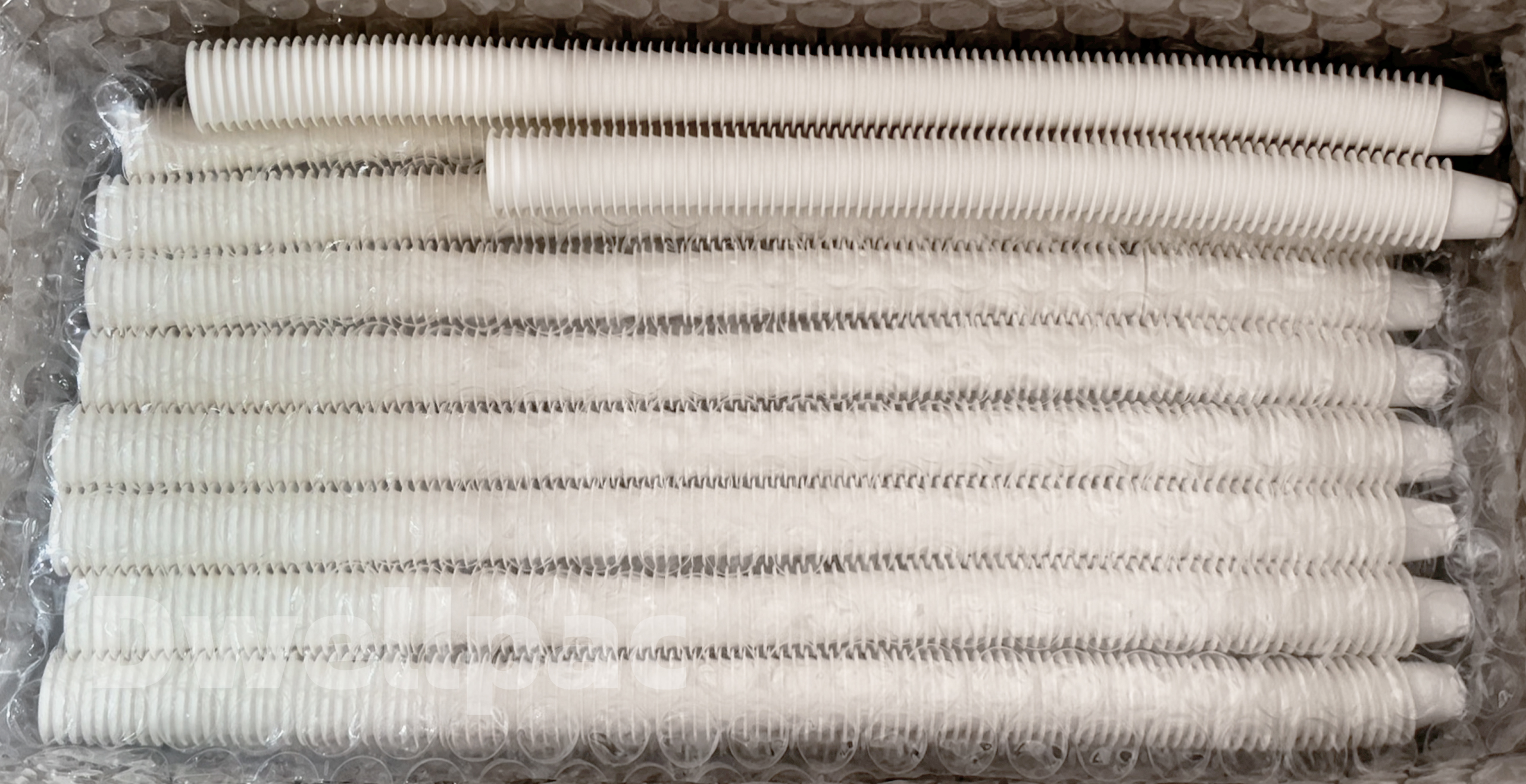
For round, square, compartment, or custom plate formats where surface, rim control, stack height, and hot press quality matter.
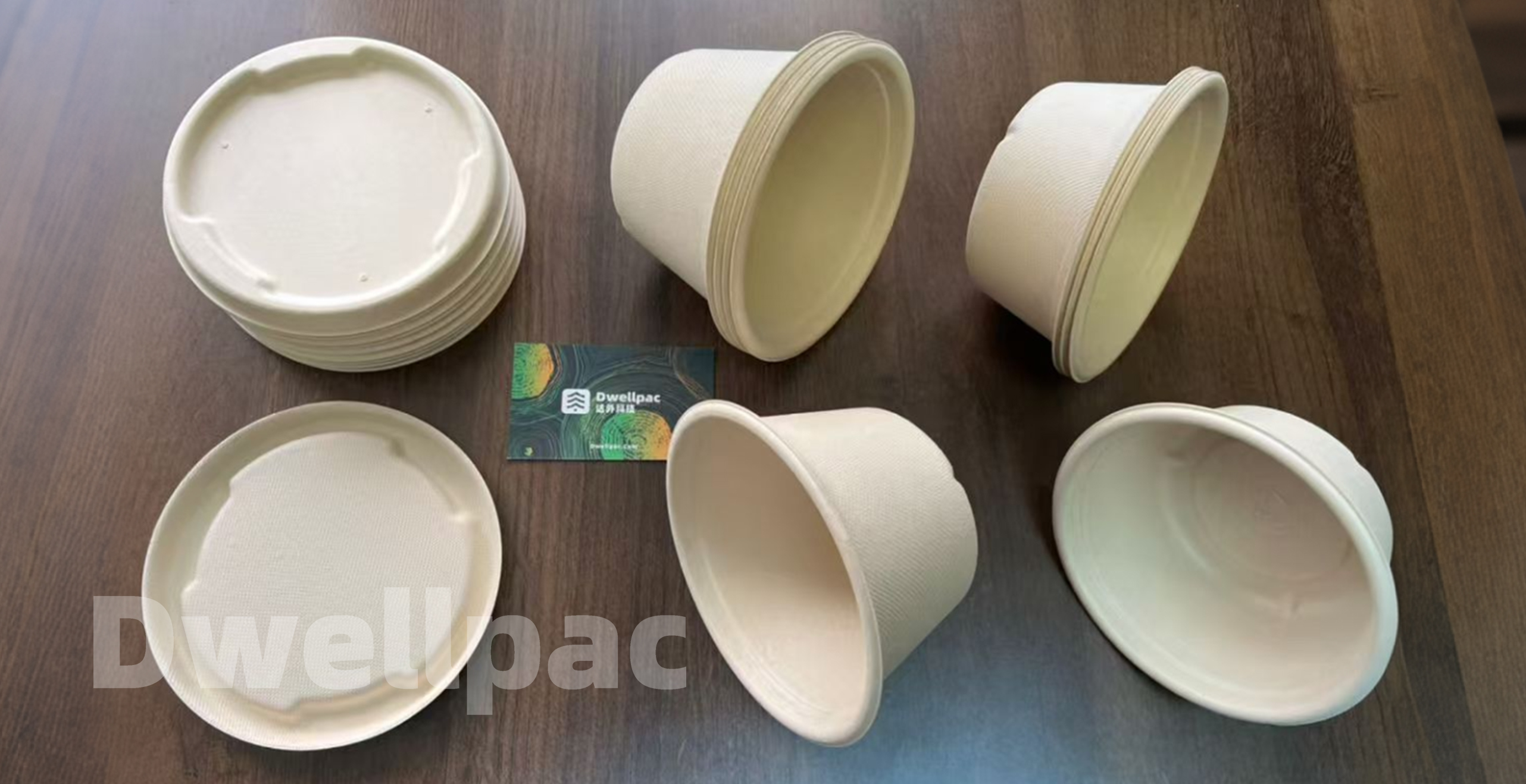
For deeper food containers where demolding angle, wall thickness, drainage, and shape stability need early review.
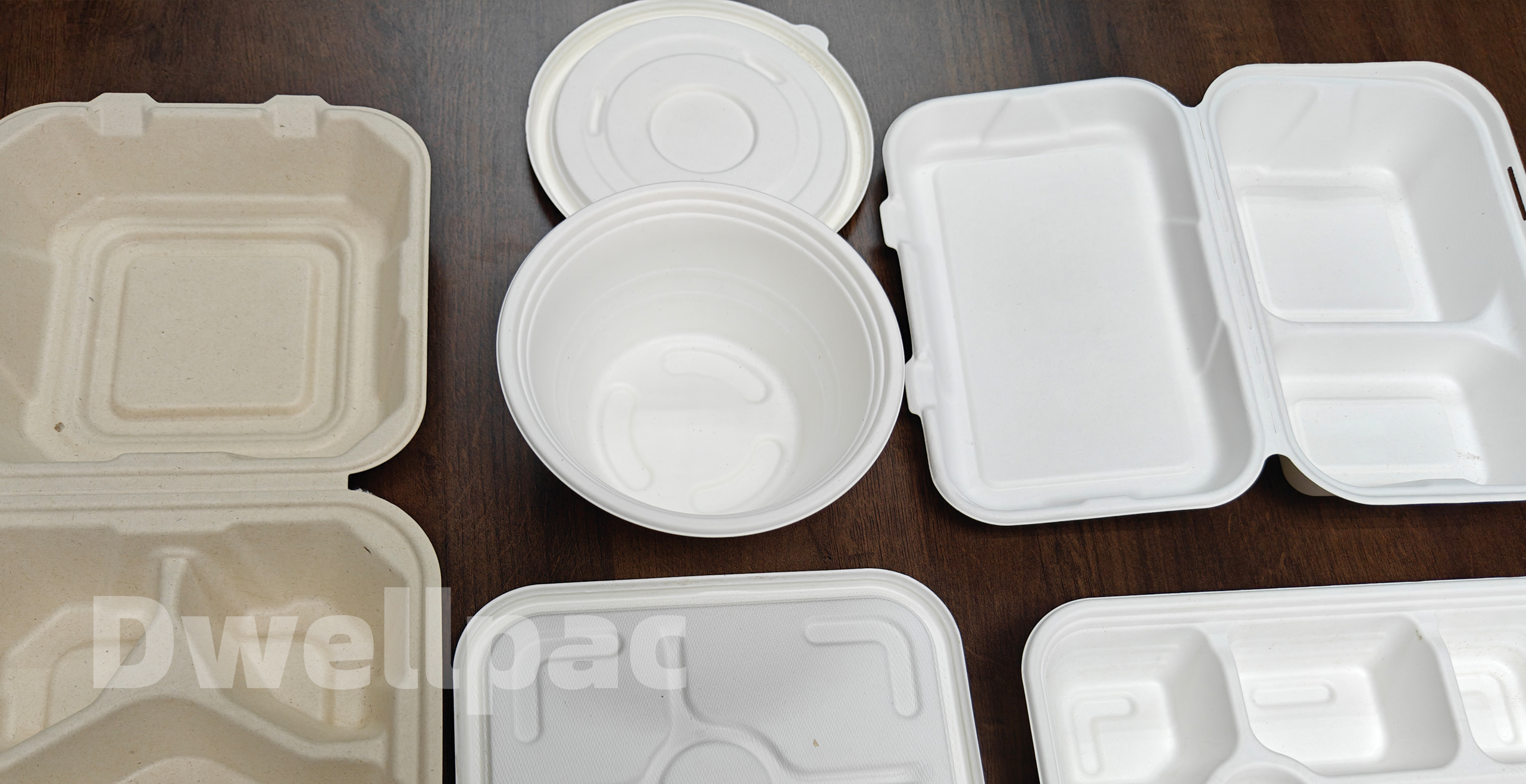
For hinged food packaging where closing fit, edge definition, stiffness, and hot press matching are important.
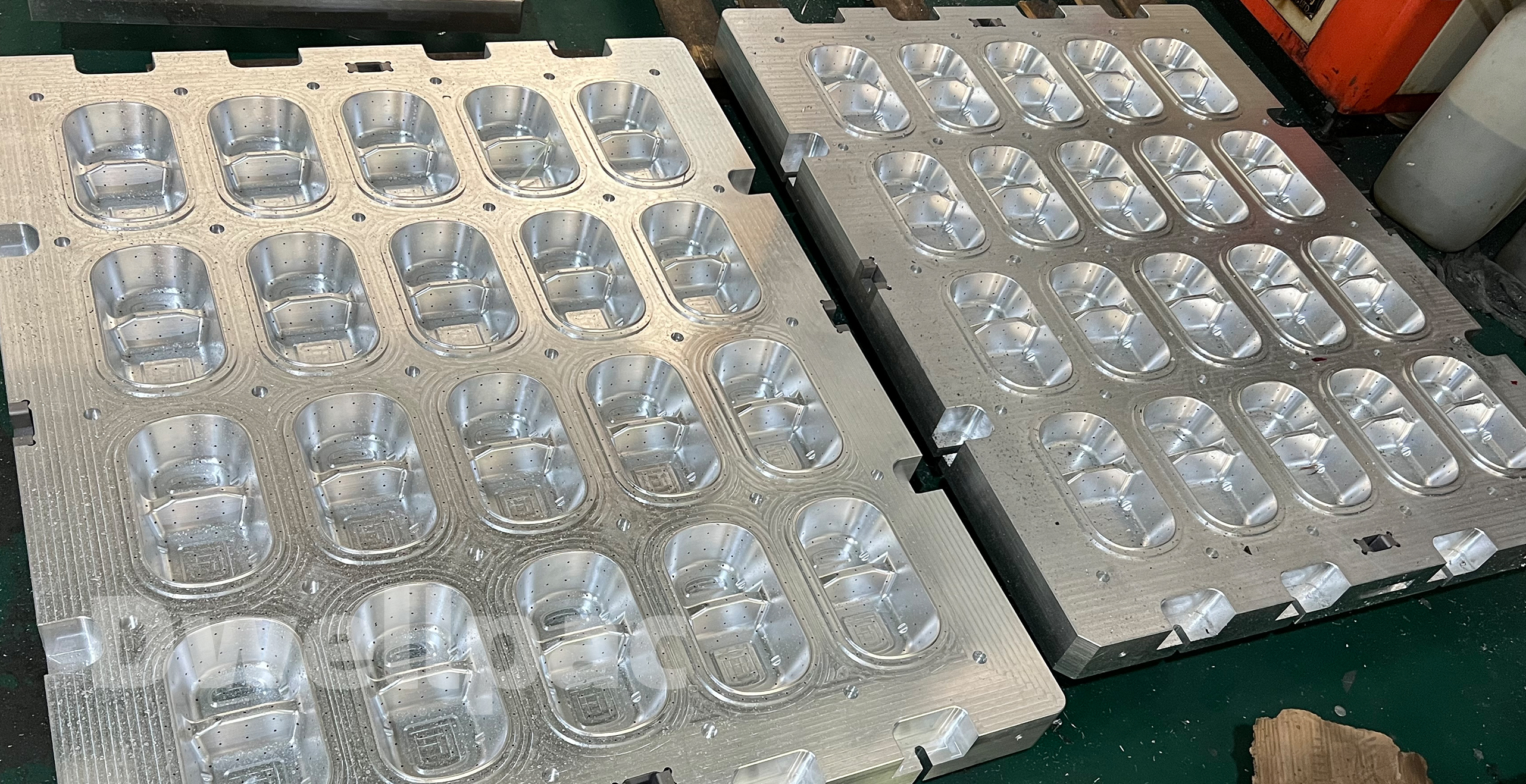
For product-specific tableware projects that need mold review together with material, additives, trimming, or downstream packing.
For molded pulp tableware, forming alone is not enough. Most products with surface, edge, shape, or food-contact appearance requirements need hot pressing. The forming mold and hot press mold should be reviewed together before tooling is confirmed.
Pulp molded tableware mold projects often involve both forming tooling and hot press tooling. A good mold design should make the product form efficiently, release cleanly, hot press evenly, and meet the buyer's surface and shape requirements.
| Design factor | Why it matters | Information needed |
|---|---|---|
| Forming mold layout | Affects output, product thickness, drainage balance, and whether the tooling fits the production platform. | Product size, forming area, target output, cavity quantity, and machine model. |
| Hot press mold matching | Controls final shape, smoothness, edge definition, surface quality, and dimensional stability. | Hot press machine, product surface target, temperature and pressure route, and final product standard. |
| Edge and rim design | Influences handling, appearance, trimming, stacking, lid fit, and food packaging user experience. | Product drawing, rim profile, trimming method, stacking target, and packaging use. |
| Drainage and wall thickness | Impacts forming time, dry weight, product strength, drying condition, and hot press result. | Material route, slurry condition, weight target, strength target, and drainage requirement. |
| Demolding structure | Reduces tearing, deformation, edge damage, and downtime during production. | Product depth, draft angle, undercut risk, transfer method, and defect photos if available. |
| Machine compatibility | Prevents mismatch between new tooling and the buyer's forming or hot press machine. | Plate size, mounting points, vacuum ports, hot press interface, transfer system, and machine photos. |
For pulp tableware mold projects, the quotation should be based on product drawing, surface target, material route, machine condition, and whether forming and hot press tooling need to be matched as one system.
For broader molded pulp tooling support, use the mold hub. For other product types, review the related mold pages below.
Yes. DWELLPAC can review drawings, samples, product size, surface requirement, material route, and machine information before confirming the pulp tableware mold design.
For most tableware products that need better surface, shape, edge definition, or appearance, hot pressing is a standard process. Forming molds and hot press molds should be reviewed together.
No single mold covers all formats. However, DWELLPAC can design different tooling routes for plates, bowls, trays, clamshells, and related food packaging parts under one tableware mold project.
In many cases, yes. Please provide forming machine and hot press machine details, mold plate size, mounting information, vacuum ports, transfer route, and photos of the existing tooling interface.
Send product drawings or photos, dimensions, material plan, surface target, food packaging use, forming and hot press machine details, target output, stacking requirement, and defect photos if this is an improvement project.
DWELLPAC can review forming mold design, hot press mold matching, drainage, demolding, surface quality, edge control, and machine compatibility before confirming the pulp tableware mold quotation.


